Introduction
Let’s be honest, the term “multilateral cooperation” doesn’t always spark excitement. It sounds like something that happens in long meetings between people in suits. But here’s the truth: behind that formal language is a story of two powerful institutions. The United Nations (UN) and the Association of Southeast Asian Nations (ASEAN) are working together to shape the future of Southeast Asia and beyond. And that future? It affects all of us.
2025: A Pivotal Year
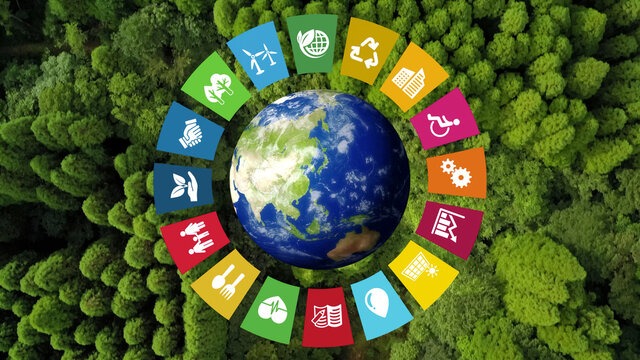
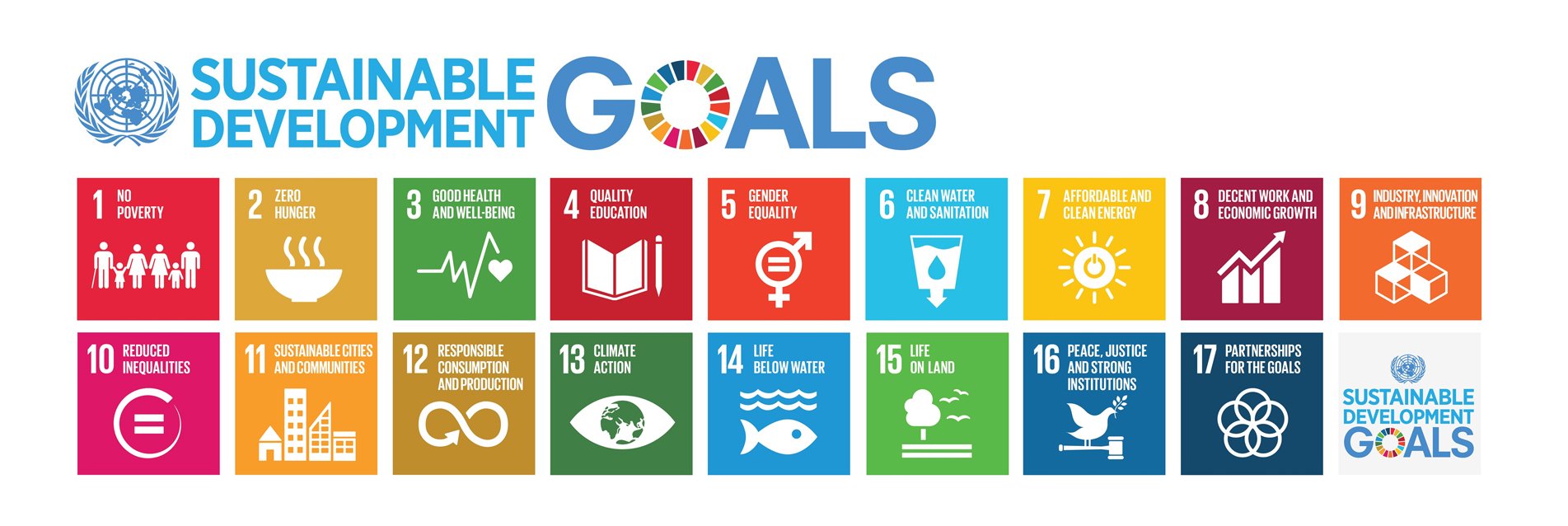
We’re five years away from 2030, the deadline for achieving the Sustainable Development Goals (SDGs). These 17 goals aren’t just lofty ideals. They’re about things you see and experience every day:
- Can you breathe clean air?
- Do you have access to affordable healthcare?
- Can your community withstand floods or typhoons?
- Are young people being educated for the jobs of tomorrow?
Right now, across Southeast Asia, the answers vary. Climate change is accelerating. Economic inequality is growing. Digital gaps are widening. But here’s the thing, the region is also full of energy, innovation, and resilience. That’s where UN–ASEAN cooperation comes in.
The foundational framework of this collaboration is explained in the “Plan of Action to Implement the Joint Declaration on Comprehensive Partnership between ASEAN and the UN (2021-2025),” which outlines strategic priorities including sustainable development aligned with the SDGs, narrowing development gaps, and promoting peace and resilience in the region (Centre for International Law, 2021-2025). This plan emphasizes cooperation on climate change response, humanitarian affairs, peacebuilding, and strengthening community resilience. all vital for sustainable progress in Southeast Asia.
More Than a Partnership, A Powerhouse for Progress
ASEAN is one of the most dynamic regions in the world, home to over 670 million people. It’s diverse, fast-growing, and full of potential, but also facing huge challenges. ASEAN’s vision toward 2045, laid out in the “ASEAN 2045: Our Shared Future” document, underscores a commitment to regional solidarity, inclusion, and sustainability, aiming to develop ASEAN as a resilient, innovative center of growth (ASEAN Secretariat, 2025). This supports ASEAN’s key position in achieving the SDGs.
The UN brings decades of global experience in peace, development, and human rights. Together, they form a partnership tackling everything from climate change to cross-border health crises. This partnership is active with regular summits, dialogues, and knowledge-sharing platforms, engaging government officials, UN personnel, civil society, and youth. These diplomatic efforts directly impact everything from regional peace and cybersecurity to disaster support (Overview of ASEAN-United Nations Relations, ASEAN Secretariat, 2025)
But how exactly do they do it? And how can you be part of it?
That’s what the “UN–ASEAN Cooperation for the SDGs” course is all about — and why it’s worth your time.
What You’ll Actually Learn (No Buzzwords, Just Real Stuff)
How diplomacy shapes your daily life
Think ASEAN summits and UN resolutions are just politics? Think again. These dialogues impact everything from regional peace and cybersecurity to whether your country gets support during disasters.
Why ASEAN is key to achieving the SDGs
ASEAN countries are working hard to align with the SDGs — and each one is doing it differently. You’ll explore how local innovation, youth movements, and smart policy are driving real change across the region.
The stories behind the headlines
- How Thailand is advancing green energy with UN support
- How Indonesia and the UN are building disaster-resilient communities
- How ASEAN is tackling gender inequality across borders
- How youth leaders are shaping digital transformation
These examples mirror priorities set by the ASEAN-UN partnership and underscore concrete progress toward SDGs (Plan of Action to Implement the Joint Declaration on Comprehensive Partnership Between ASEAN and the United Nations (2021-2025), 2020).
This course brings you inside these stories, showing not just what is happening, but why it matters.
Who Is This Course For?
It’s not just for diplomats or policy wonks. It’s for:
- Students curious about global issues
- Young professionals wanting to work in international development
- Civil servants and NGO staff seeking regional context
- Anyone who believes in sustainable progress and wants to understand how to drive it
Whether you want to join the UN one day, work on the ground in ASEAN, or just understand how your region is evolving, this course gives you the context, clarity, and connections to make sense of it all.
So, Why Now?
- Because the SDG clock is ticking.
- Because cooperation beats conflict.
- Because you can’t solve global problems in isolation.
And because behind the scenes, UN and ASEAN teams are working daily to build a better future — one that needs fresh minds, bold ideas, and engaged citizens.
This isn’t just about learning. It’s about stepping into a story that’s still being written — one where Southeast Asia plays a starring role.
Final Thought
If you’ve ever wondered:
“How do international organizations actually work together?”
“Can diplomacy and development really make a difference?”
“Where do I fit in this global puzzle?”
This course offers some answers — and maybe even a few ideas for your next steps.
References
AYO Academy. (2025). UN-ASEAN Cooperation for the SDGs Outline. https://ayoacademy.org/courses/un-asean-cooperation-for-the-sdgs-outline/
Overview of ASEAN-United Nations Relations, ASEAN Secretariat. (2025). OVERVIEW OF ASEAN-UNITED NATIONS RELATIONS. https://asean.org/wp-content/uploads/2025/07/Overview-ASEAN-UN-Cooperation-as-of-19-June-2025.pdf
Plan of Action to Implement the Joint Declaration on Comprehensive Partnership between ASEAN and the United Nations (2021-2025). (2020). Asean. Retrieved August 14, 2025, from https://asean.org/plan-of-action-to-implement-the-joint-declaration-on-comprehensive-partnership-between-asean-and-the-united-nations-2021-2025/